
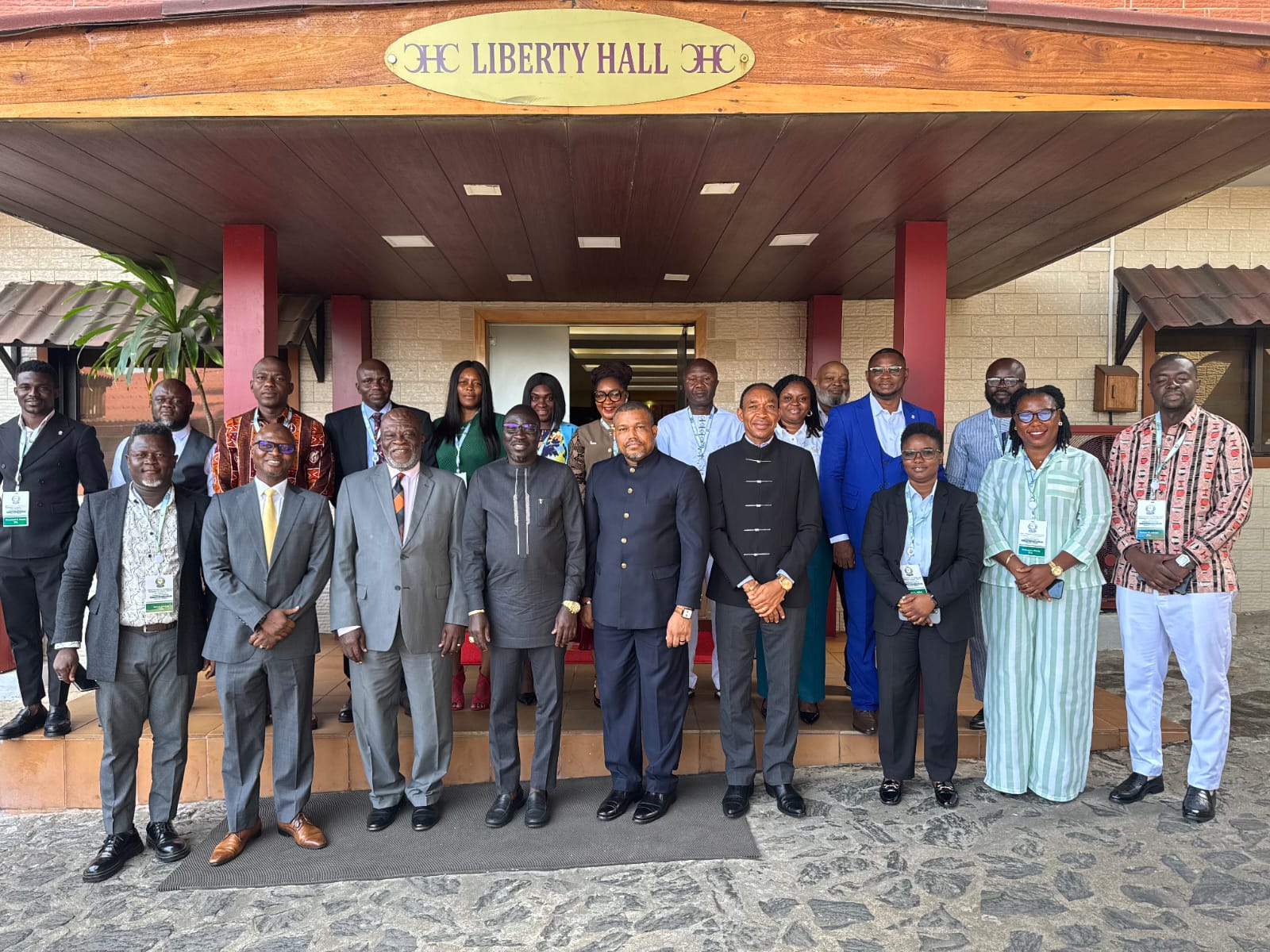
The Inter-Governmental Action Group Against Money Laundering in West Africa (GIABA) has commenced a three-day initiative to develop a comprehensive National Anti-Money Laundering and Countering the Financing of Terrorism (AML/CFT) data collection and management framework for Liberia.
The session, which is both a developmental workshop and a training exercise, began today, March 30, and will conclude on April 1, 2026, at a local hotel in Monrovia.
The initiative aims to bolster Liberia’s compliance with international financial standards by creating a structured, government-wide approach to how AML/CFT data is collected, managed, and utilized by relevant authorities.
The three-day event brings together key stakeholders from across Liberia’s financial and regulatory sectors. Participating institutions include the Central Bank of Liberia, the Liberia Business Registry, and the Financial Intelligence Agency of Liberia (FIA), alongside other relevant government agencies and financial bodies.
To ensure the framework aligns with global best practices, the workshop is highlighting several critical topics, including:
· Overview of FATF Standards and Data Requirements: A detailed review of the Financial Action Task Force (FATF) standards, with a specific focus on Recommendation 33, which governs statistics and data maintenance. Discussions will center on the relevance of accurate data in proving both the effectiveness of AML/CFT measures and technical compliance.
· Requirements for a National Database: Exploration of the functional government framework required to establish and maintain a centralized national database for AML/CFT purposes.
· Assessment of Current Arrangements: An overview and analysis of Liberia’s existing national AML/CFT data collection and statistical management arrangements. Participants are reviewing current operational successes, as well as the challenges hindering efficient data management.